RV LEAK TESTING
Trusted RV leak testing company offering thorough RV inspection services in Oakville ON—protecting your RV from hidden leaks, water damage, and costly repairs with advanced diagnostics and expert mobile service.
Leak Testing
Reliable RV leak testing company providing accurate, advanced leak detection to protect your RV from costly water damage.
What is leak testing?
Simply, it's a combination of wet and dry leak-proof testing of RV exteriors.
We can test the water-tightness or seal integrity of your trailer’s weather seals for water intrusion with more certainty than what visual-only inspections can accomplish, making us a trusted RV leak testing company in Oakville ON.
We use non-invasive leak testing methods with specialized equipment connected to a handheld computer. Our equipment uses multiple sensors to help expose, measure, and locate potential RV roof areas, joints, and sidewall cavities for water tightness and water intrusion—an essential part of professional RV inspection services.
We use various methods and equipment, including cabin pressurization, often referred to as a “Pressure Test,” but it doesn't end there.
Our specialization has taken pressure testing to a whole new level of expertise, accuracy, and consistency for best results. It's what we do full-time, day in, day out.
Our testing begins by putting the seals under a specific, safe, and uniform air pressure difference. We can compensate for slide-outs and other known air leakage areas. Air leakage escapes through various areas including sealant gaps, voids, or cracks.
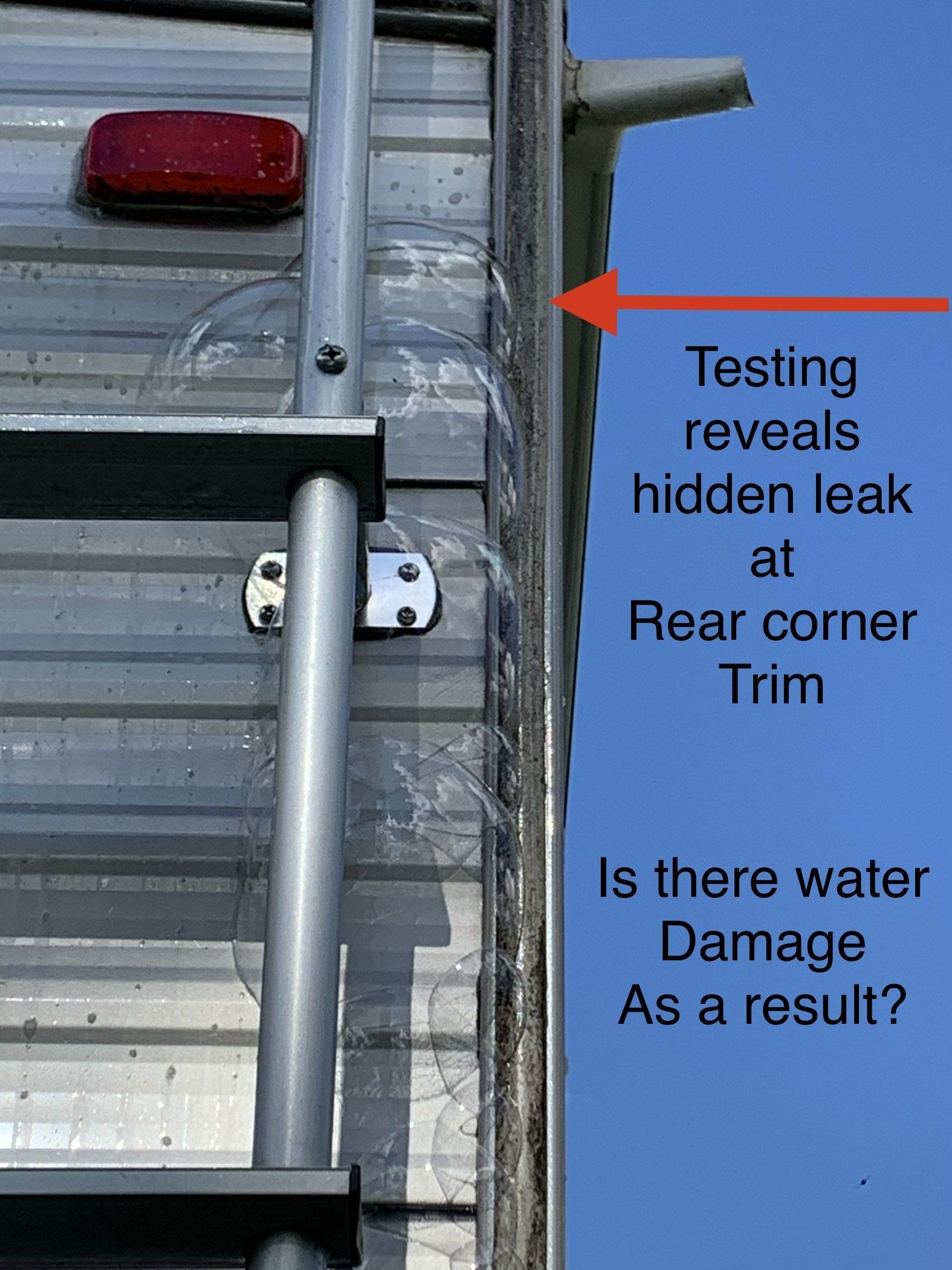
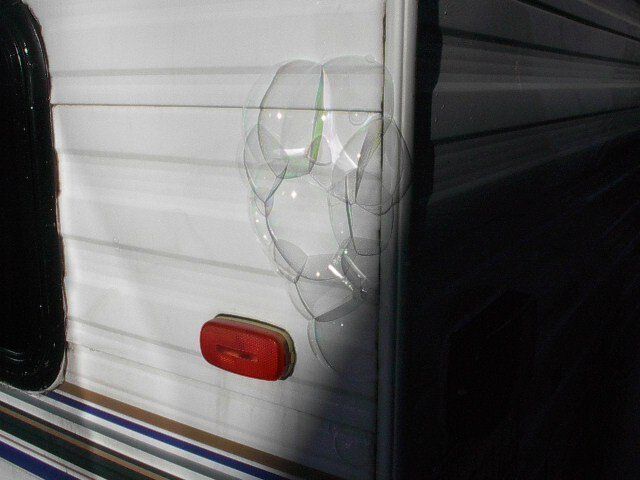
Similar to finding a gas pipe leak or submerging an inner tube and looking for bubbles, we coat some RV seals with our proprietary bubbling solution to identify air leaks.
WARNING! Using any soapy solution risks inconsistencies in results and may cause other damage to your RV exterior or components.
For more challenging areas, we use different equipment and processes to find leaks. These are proven methods of leak detection to aid in the exposure of rainwater leaks found on all exterior sides and roof of the RV.
See how RV ProSeal can make sure your RV is in perfect condition and ready for all your adventures.
Testing Process
Advanced RV leak testing company delivering precise, sensor-based RV inspection services for reliable, accurate leak detection every time.
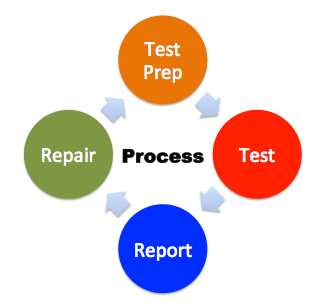
Generally, inspections take about two hours.
Upon arrival, pre-testing preparation is equally important to ensure fast, safe and reliable results.
- We will review the process upon arrival.
- Review any current concerns and previous issues.
- Perform the test inspection & document results.
- Determine any next steps if repair is required and by whom.
How to Find RV Leaks
UNKNOWN LEAKS EXPOSED
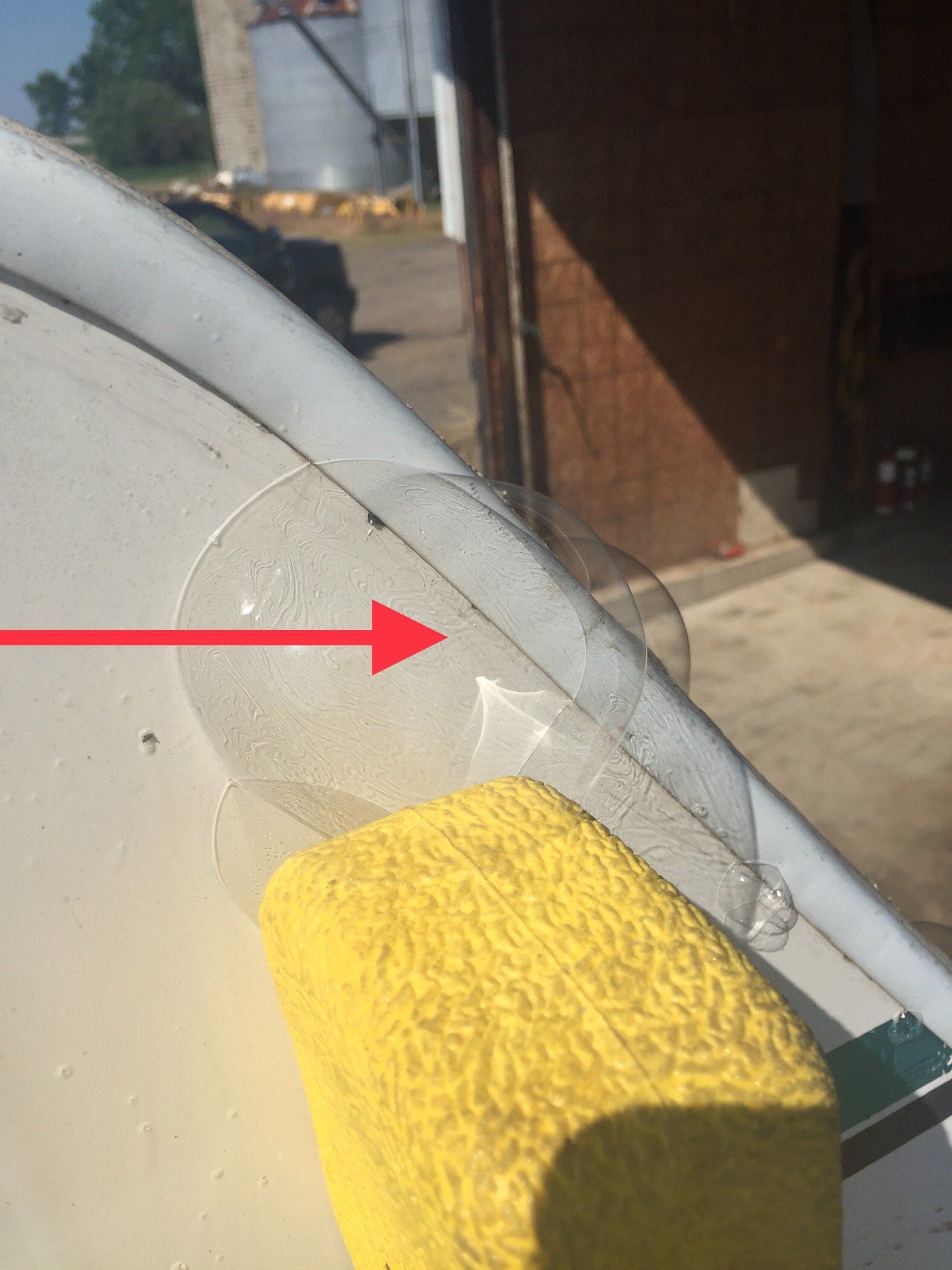
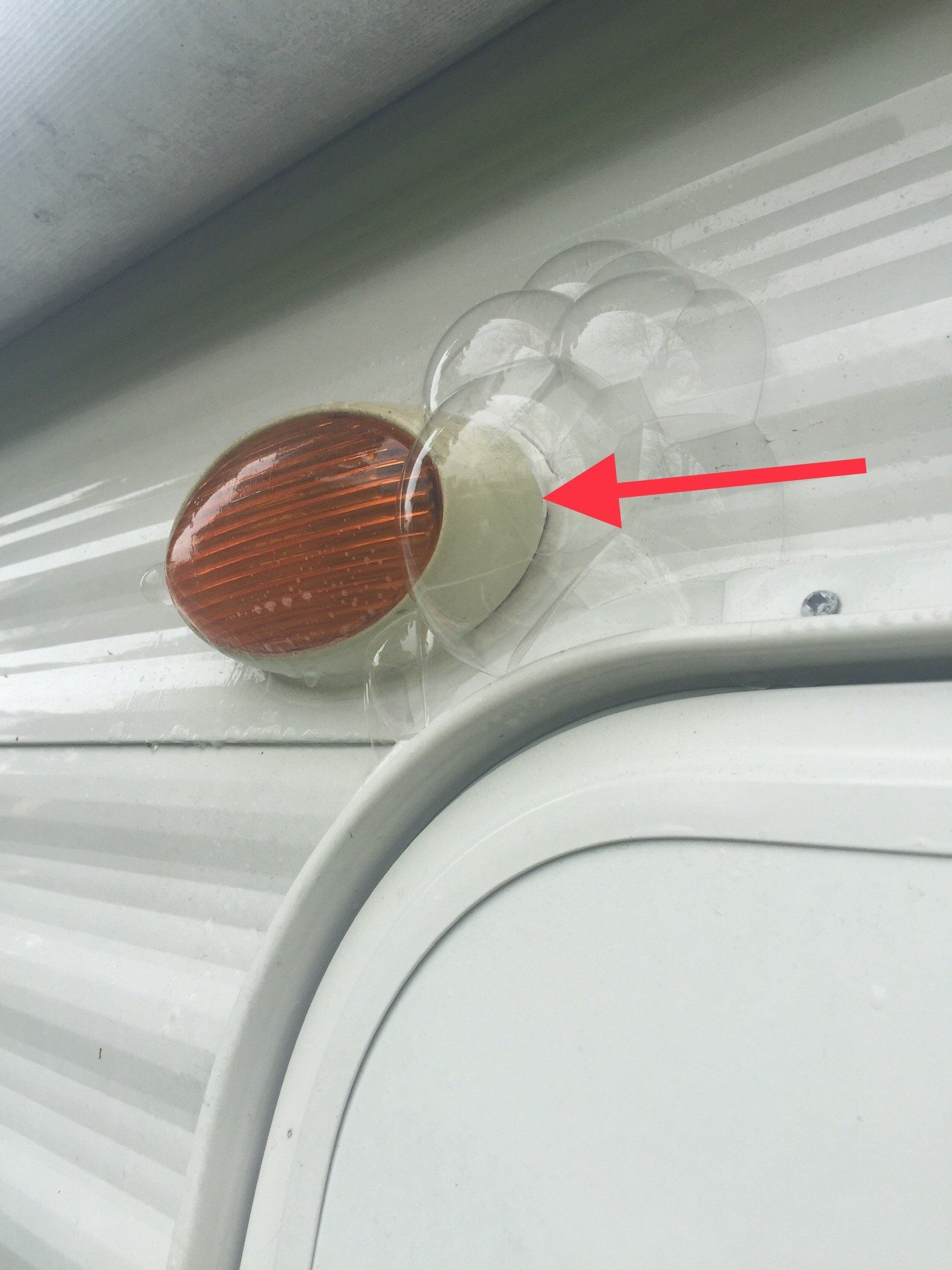
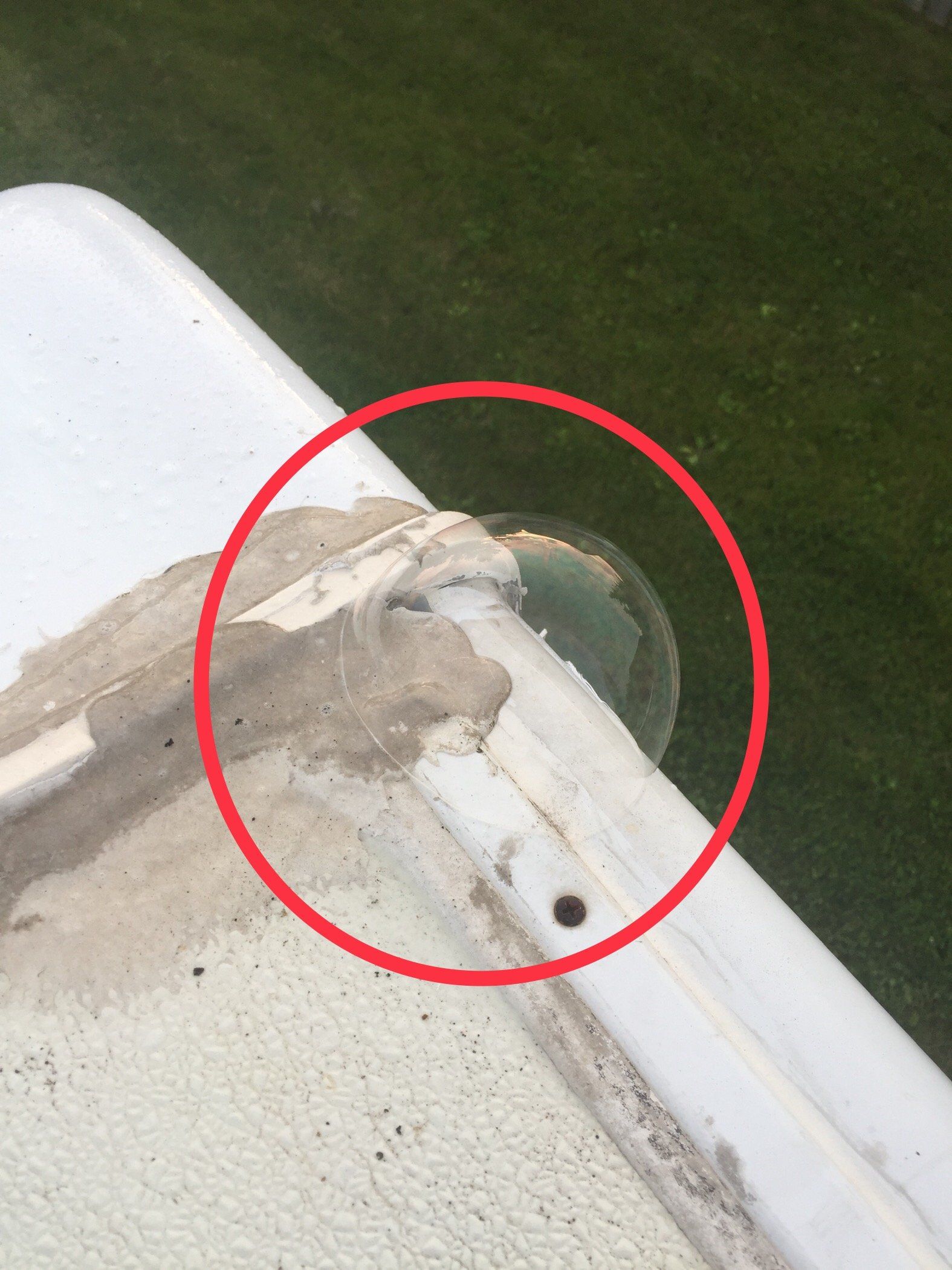
RV LEAK TESTING FAQs
How do I know if my RV has a leak or hidden water damage?
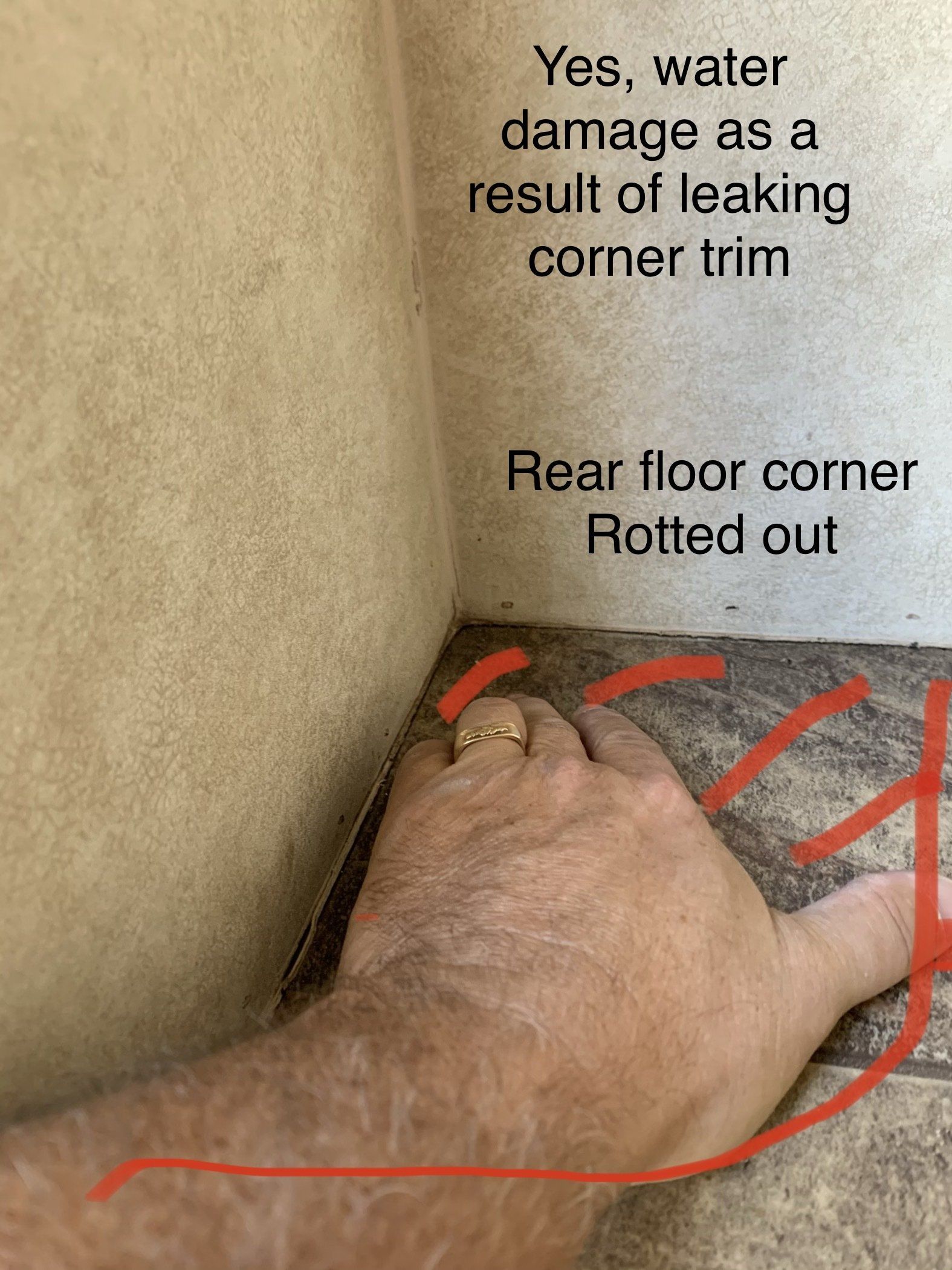
Request Leak Testing EvaluationIn the RV world, suspicion is a better diagnostic signal than optimism. Water intrusion has been a game of “symptoms vs source”, and unfortunately the symptoms appear late. Wood, insulation, luan, fabrics, and adhesives all soak, swell, and rot long before you see anything obvious.
The obvious tells:
- tactile anomalies (softness, sponginess, bowing, or rippling)
- surface warping in ceilings/panels
- unexplained mustiness (mold blooms well before moisture surfaces)
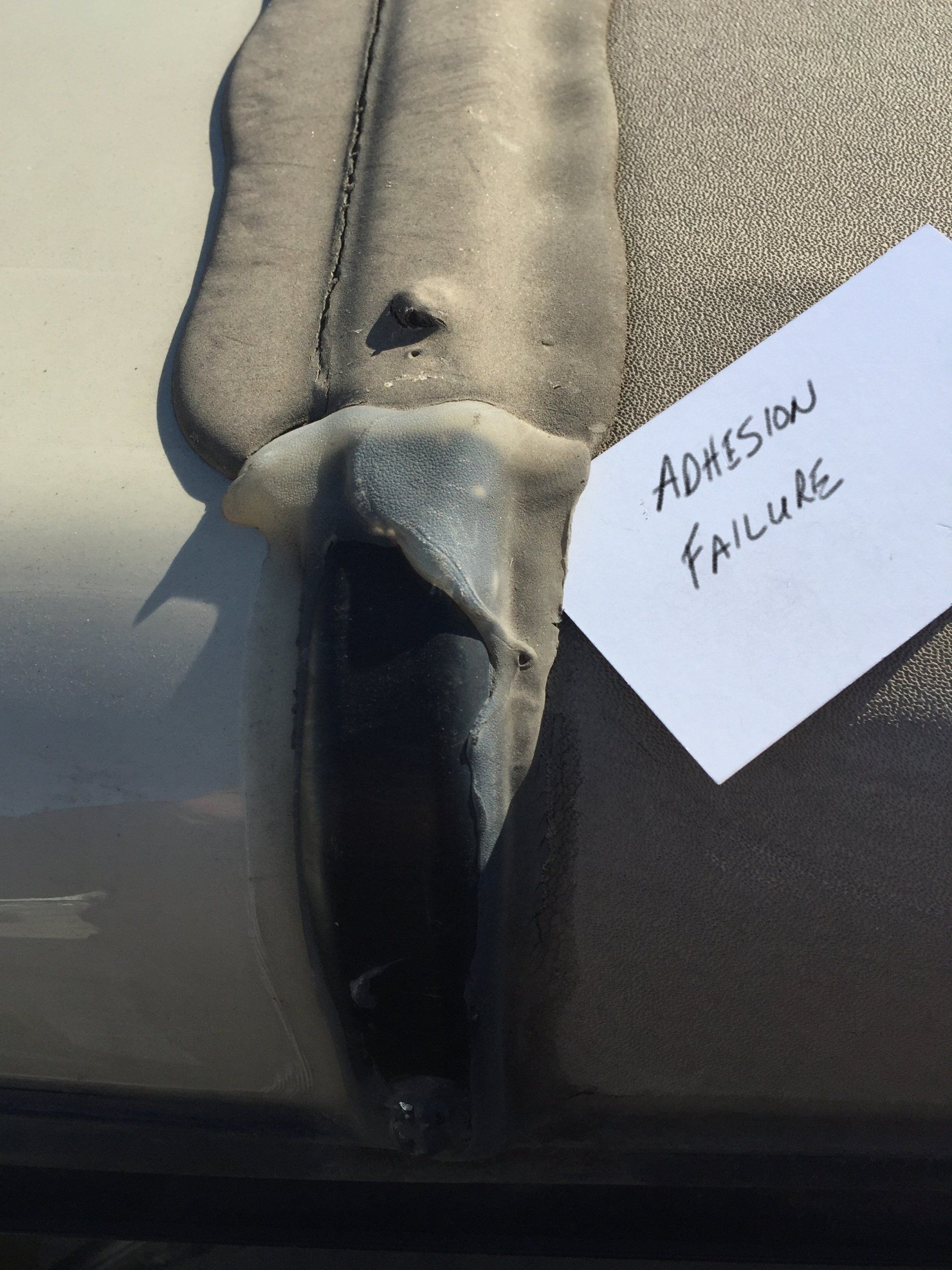
- discoloration, blemishes, or adhesive failures
- trim or headliner losing tension
None of these tell you where the leak(s) originated. RVs funnel water the way gutters funnel rain: through channels, substrates, and capillary paths. A roof seam failure can present as a wall stain three feet away, or as a floor problem.
This is why most DIY leak-chasing is a mix of sealant roulette + misplaced confidence. If you’re wrong, the meter runs quietly in the background and the bill shows up when you sell the RV or open a wall panel. Leak testing compresses that discovery timeline drastically — you’re swapping uncertainty for a map of reality.
Can I find and fix RV leaks myself, or do I need a professional leak test?
Request Leak EvaluationHere’s how to think about DIY vs professional in a rational way.
Leaks have three dimensions:
- Detectability (can you identify the problem?)
- Repairability (can you fix it?)
- Downside risk (what happens if you’re wrong?)
DIY can perform reasonably in dimension 2. If the leak is obvious and shallow (seal cracked, vent collar shot, one trim line compromised), you can fix that with materials from any RV shop.
But DIY detection is statistically weak for hidden leaks because most DIY tools rely on visual inference, and RV leaks are often non-visual until late-stage. Professionals cheat by using physics (pressure differentials), thermal gradients, moisture sensors, and flow tracing — all of which expose leaks that have no surface symptoms yet.
Now we look at dimension 3: upside vs downside.
If you’re wrong on detection, the cost of “waiting to see” compounds like interest: insulation saturation → structural rot → mold → electrical intrusion → appliance failures → resale discount.
So the rational rule is:
DIY is fine when the downside is small and you’re confident.
Professional leak testing is optimal when the downside is large or unclear.
Most RV owners don’t do that math, which is why leak repairs are rarely expensive in the moment — they’re expensive in the aftermath.
If my RV already has water damage, can it be repaired — or is it a write-off?
Inspect NowWater damage is not binary; it’s a scope + cost-to-value problem.
Three questions determine whether a repair is rational:
- How deep is the damage? Surface damage is cosmetic. Substrate damage is labor. Structural damage is budgetary violence.
- How wide is the affected area? A one-foot section is a repair. A whole wall is a renovation.
- What is the RV worth? Repair cost must be considered against depreciated value — RVs don’t appreciate unless they’re classics or marketed as “luxury” (and even then, rarely).
There’s also a fourth question most owners never ask but should: How fast is the damage propagating?
Water damage compounds; it does not stabilize on its own. If rot has begun, the timeline accelerates because moisture retention increases porosity and thermal transfer.
The emotionally hard truth: Most RVs become “write-offs” economically before they are safety hazards mechanically.
A proper leak test + moisture mapping gives you the missing data to categorize the problem. Sometimes the fix is shockingly small. Sometimes the smartest move is to sell before the wall has to come off. Not knowing is where the real losses happen.
WE BRING IT!
We come to you
Water - Yes, we bring it.
We use water to rinse down the RV after completing Bubble testing.
Power -We bring that too.
Our RV maintenance service vehicles come to the camping sites of RV parks fully contained to power our sprayers.
Bubble fun for kids of all ages? Absolutely!
Get a free quote
Green Lotus - Get A Quote Homepage
5 CRITICAL REASONS PREVENTION IS IMPORTANT
1. Water Absorption & Dampness
Wood and Luan plywood, Batt insulation, cloth-backed roof membranes, and OSB, all wick up excess moisture from leaks and condensation. Wet and dry cycles lead to delaminating wood bonds and loose structural support.
2. Wood Rot
This occurs when damp areas don't get a chance to dry out. Brown (dry rot) or white rot thrive at temps between 18- and 32-degrees Celsius, and once it starts growing, it spreads rapidly. Wood shrinks, delaminates and structural support are lost. Soft rot thrives at temps of -17 to 43- degrees celsius.
3. Mold & Mildew
Things out of people's control are climate, outdoor elements or the number of various spores naturally around us. Mold, however, needs damp conditions to grow. The W.H.O states the best protection and action in our control against health risks associated with mold is to effectively prevent leaks and high moisture levels.
4. Toxic Off Gassing
Wet building materials degrade and can emit toxic fumes from formaldehyde, resins, glues and other chemicals. Decomposing wood panels can also release airborne particle pollutants.
5. Temperature & Humidity
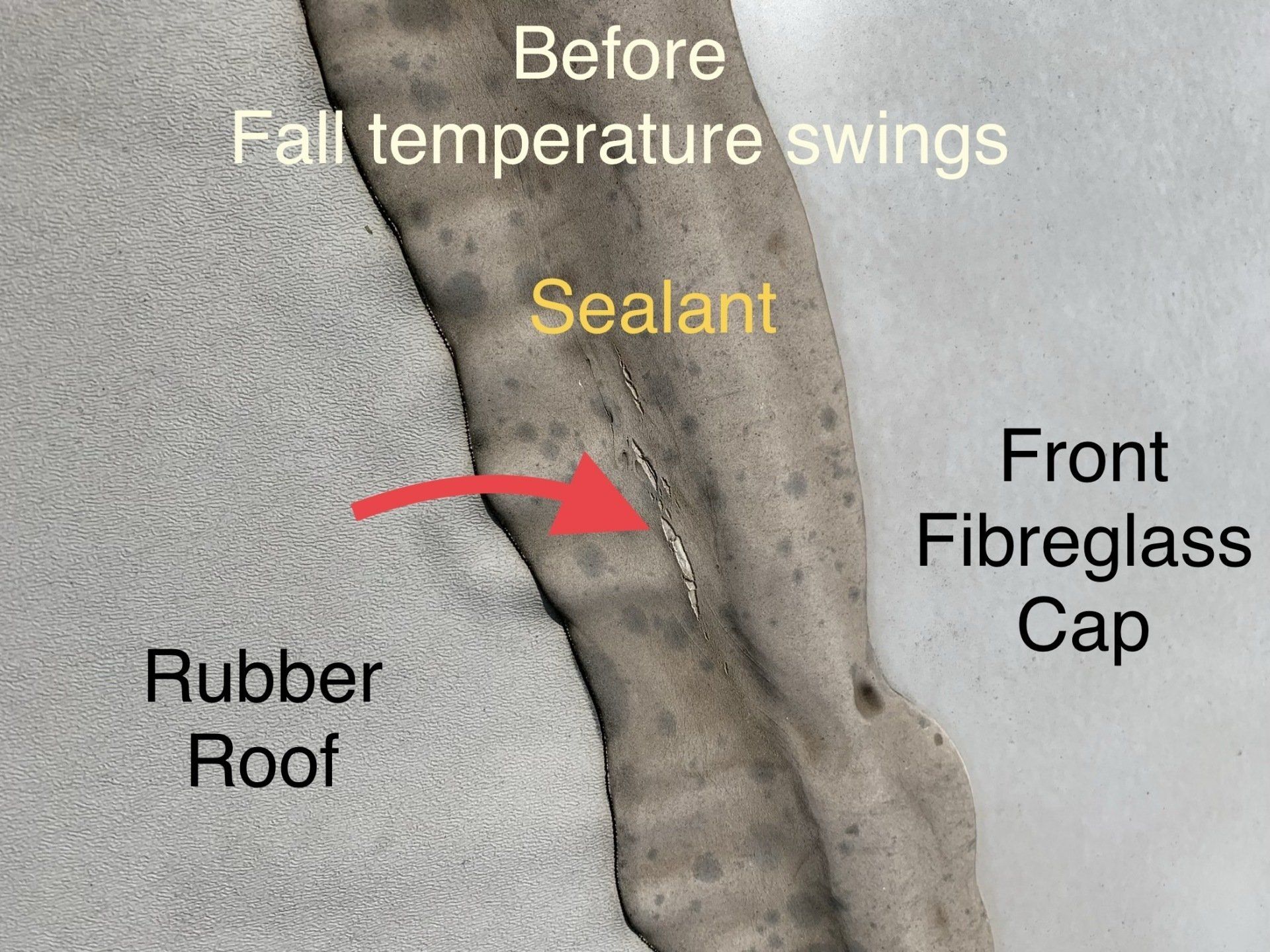
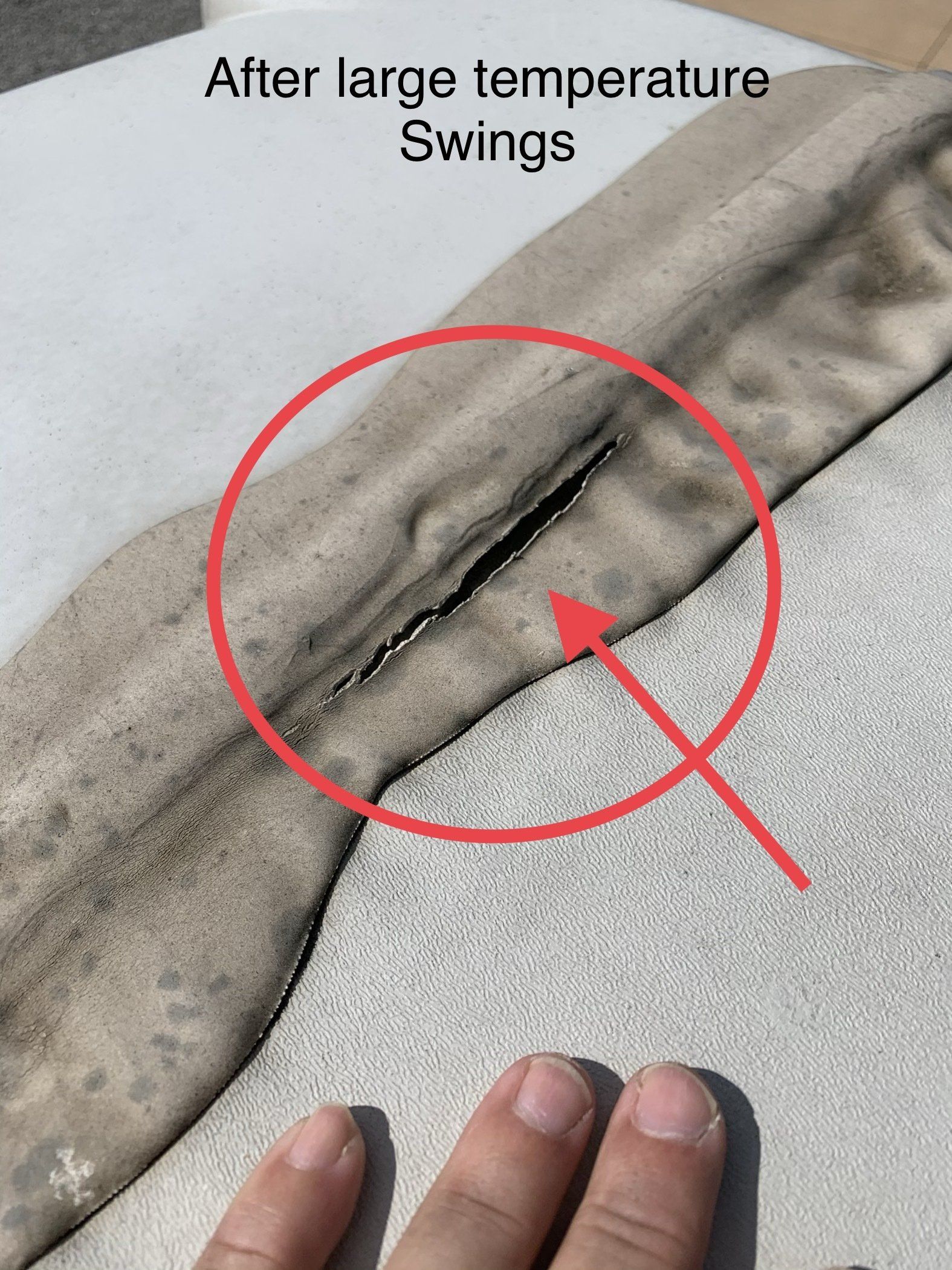
Temperature and humidity changes are not well tolerated with the above mentioned building materials, seams, joints and GP sealants. Freeze / thaw damage (ice damming) from winter outdoor storage can make small intrusions larger and can go unaddressed for months.
Need immediate service?
We're available from Monday-Saturday 8:30AM to 5:30PM
OUR LEAK-FREE PROGRAM

Independent Testing Report
Whether you're buying new or used, doing maintenance, or selling, we boost consumer confidence with our independent third party report. RV ProSeal's multi-point test is the first in the RV industry to bring new testing equipment and can provide a detailed report using an easy to read notification system for each point tested.
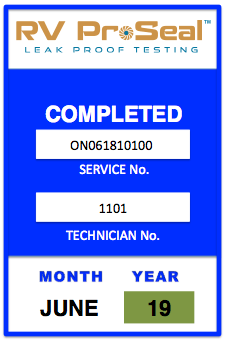
RV Tested Label
After testing, we provide you with a detailed report of areas passed or failed and an RV Leak Tested Label for the RV after required maintenance is completed. The Label is updated for the month and year of the last maintenance leak test.
Higher Resale Values
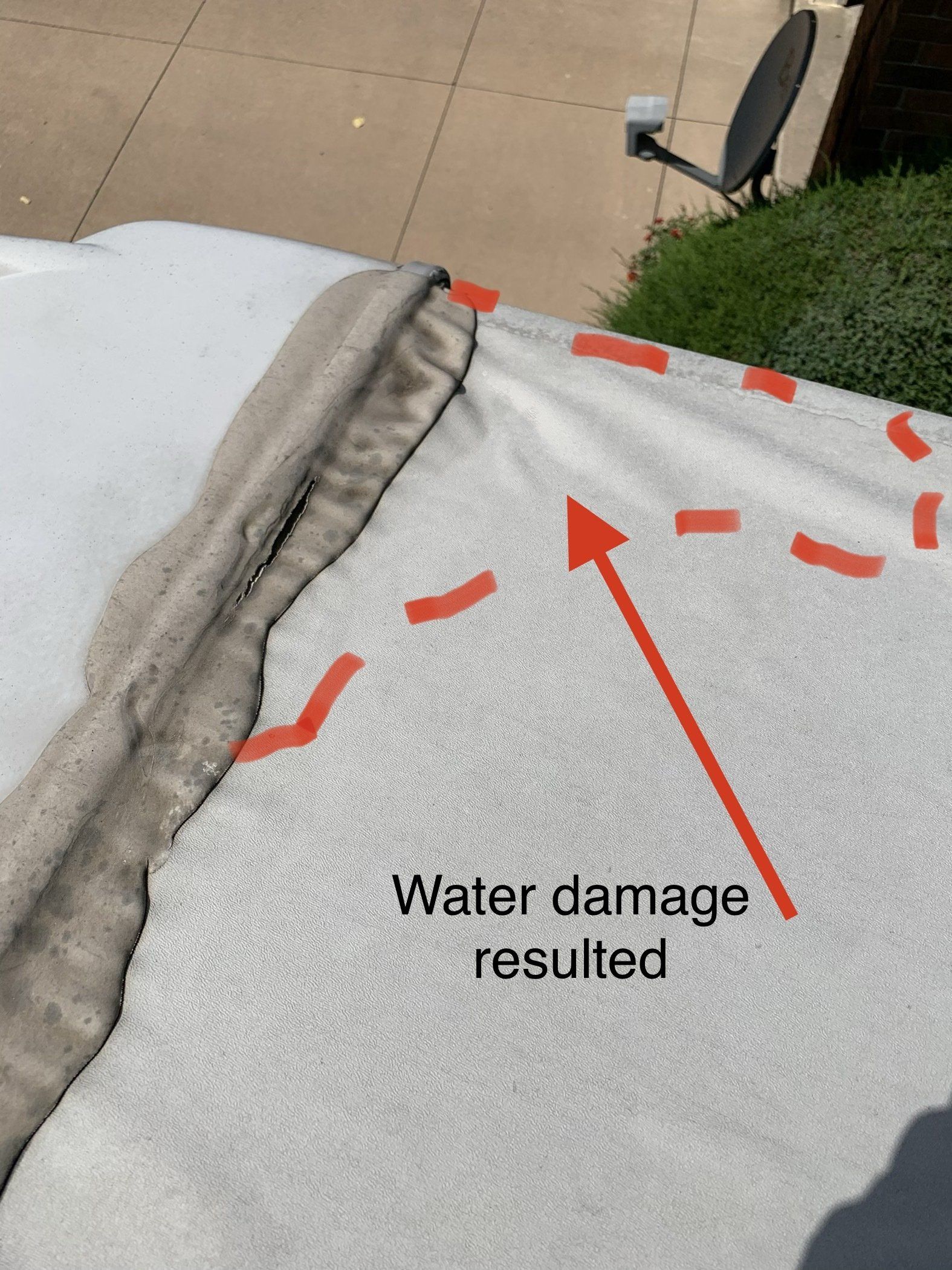
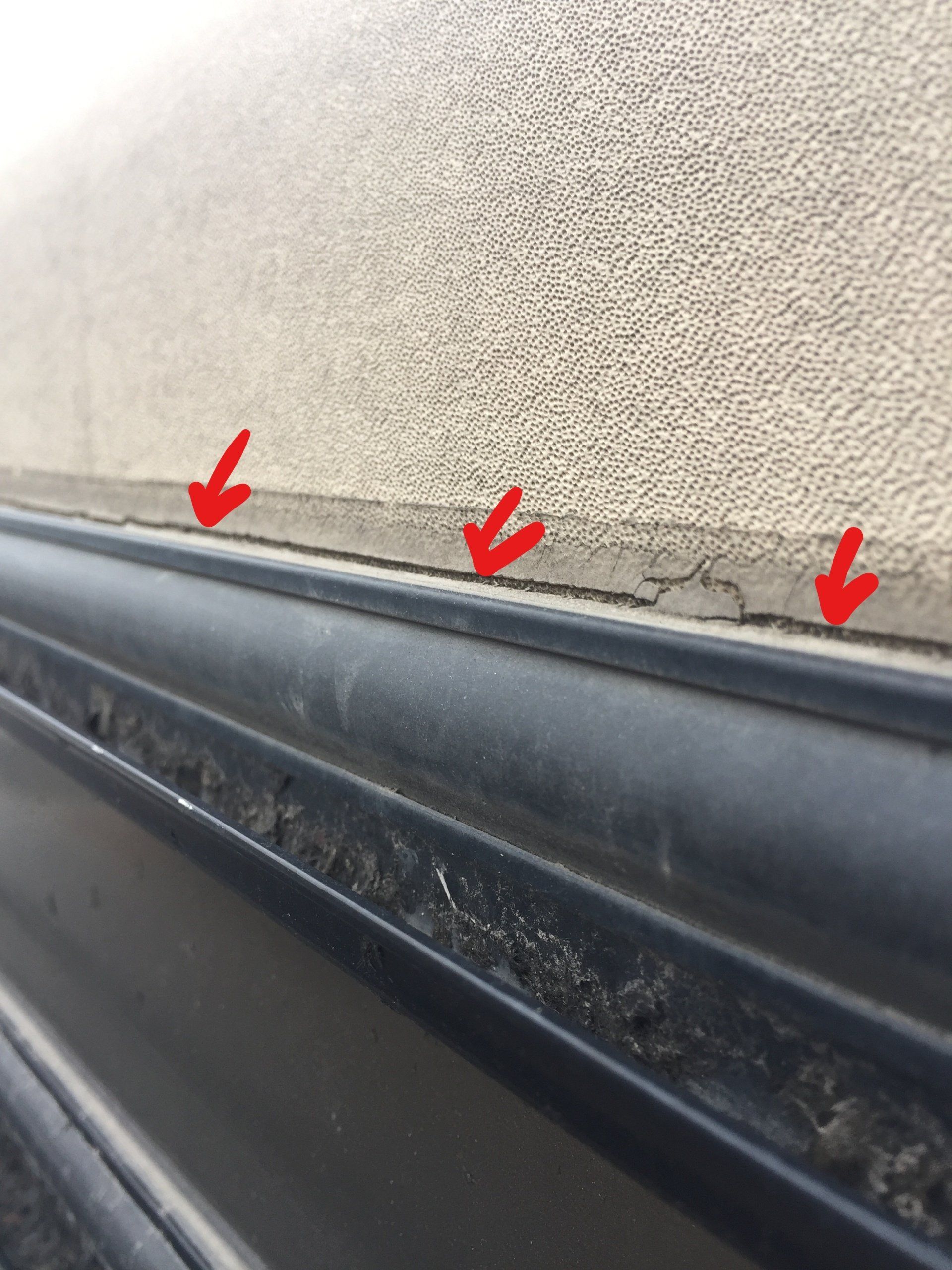
This RV leak example was not a dry buy. Improper RV maintenance often leads to an expensive RV repair. We provide our clients a complete leak prevention program which not only provides proof of regular sealant maintenance but real confidence in healthy camping and higher resale values.
NO COVERAGE FOR WATER DAMAGE FROM LEAKS
Hidden Exterior Sealants Can Leave Owners Vulnerable
RV maintenance items include maintaining exterior weatherproofing seams, sealants, and seals to prevent leaks. Water damage due to exterior water seepage or improper maintenance leaves RV owners without warranty or insurance coverage. Manufacturers and RV dealers state that owners are responsible for inspecting and monitoring all external weatherproofing of the roof and sidewall sealants multiple times per year, especially after each road trip. Read your owner's manual section "Exterior Maintenance" to learn more.
Despite RV owners' best efforts to reseal their RV themselves, it often results in additional leaks later due to improper preparation, ineffective application or sealant choice. Leaks often remain trapped between the roof & ceiling material and between walls getting wicked up and rotting materials long before owners see inside evidence. For peace of mind, invite us to leak-test your repair as the final step to complete the process. Owners pay a lot of money for an RV and deserve to be served with the best leak prevention, RV maintenance, and protection available.
Wind, Rain, Road and Joint Strain
Poor weather, road conditions and off-road access add significant amounts of mechanical strain on the joints, seams, and sealants protecting you from leaks.
When hidden or visible, sealants often fail to perform but seem in good shape. This leaves owners at a disadvantage to find leaks in time.
Water Damage from Seepage
RV'ers live a life in the outdoors. Nothing will keep owners up at night more than finding water where it shouldn't be. The real nightmare is how long did it take for the leak show itself?
Does your RV leak but can't find the source?
RV ProSeal testing can help you locate where the intrusion started more effectively, safely, and quickly, without damage or deconstruction.